
If you’re exploring cold lead generation and outbound systems for your business, you’ve probably run into the same problem most people do: a flood of conflicting advice, vague tactics, and zero clarity on what actually moves the needle. Below are the questions we hear most often — answered straight, without the filler.
The Basics: What Cold Lead Generation Actually Is
What is cold lead generation?
Cold lead generation is the practice of proactively reaching out to potential customers who haven’t shown prior interest in your business. Instead of waiting for someone to find you, you identify who your ideal client is, track them down, and initiate the first conversation.
“Cold” simply means there’s no existing relationship. It doesn’t mean low quality — cold outreach is how a significant number of B2B businesses build their pipelines when they need predictable, controllable growth, not just the leads that happen to stumble across them first.
How is cold outreach different from inbound marketing?
Inbound marketing — SEO, content, social media — attracts prospects to you over time. It builds compounding authority and can work while you sleep, but it takes real time to build meaningful momentum.
Outbound flips that equation: you go to them. It’s faster to spin up, you control the volume, and you can get precise about who you’re targeting. The tradeoff is consistent effort and a well-structured system to stay efficient.
Smart businesses eventually use both. But if you need pipeline now, outbound gives you levers to pull immediately.
Does Cold Outbound Still Work?
Is cold email dead?
No — but bad cold email is. Batch-and-blast, spray-and-pray outreach has become nearly worthless. What still works is relevance: personalised outreach to a clearly defined audience, with a specific reason for reaching out and a low-friction ask.
The bar has risen sharply. Shorter emails, sharper value propositions, and genuine personalisation (not just a first-name merge tag) are what separate effective outbound from the noise in someone’s inbox. If you treat cold email as a volume game, you’ll lose. If you treat it as a targeting and messaging game, it’s still one of the best-performing B2B channels available.
Is cold calling still worth it?
For many industries, yes — and it’s underused, which actually works in your favour. In B2B, a well-timed call to the right person can cut through inbox clutter entirely.
The key is treating calls as one touchpoint in a sequence, not a standalone tactic. Layer a call with email and LinkedIn, and your connection rate improves substantially. Some buyers just respond better to a voice. Don’t leave that on the table.
Building Your Outbound System
How do I build a targeted outreach list?
List quality is the foundation of your entire outbound system. A tight list of 200 highly relevant prospects will consistently outperform a bloated spreadsheet of 5,000 loosely matched contacts.
Start by defining your Ideal Customer Profile (ICP): industry, company size, geography, job title, and any firmographic or behavioural signals that indicate a strong fit. Then source contacts using tools like LinkedIn Sales Navigator, Apollo.io, or Hunter.io — and always verify emails before you send.
Don’t skip the verification step. High bounce rates damage your sender reputation and hurt deliverability across your entire domain.
What channels should I use for cold outreach?
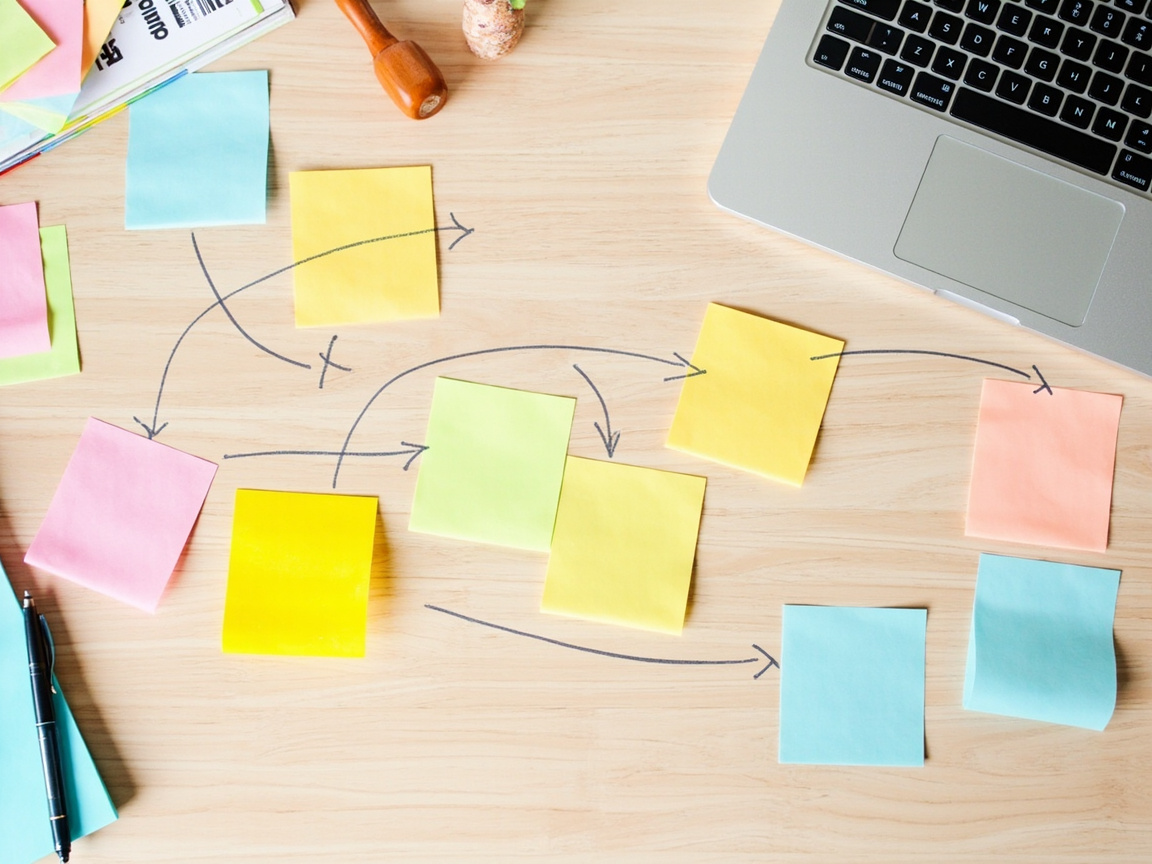
The most effective outbound systems use a multi-channel sequence rather than relying on a single channel. A typical approach might look like:
- Day 1: LinkedIn connection request or profile view
- Day 2–3: First cold email
- Day 5: LinkedIn follow-up message or second email
- Day 8: Phone call
- Day 10–12: Final “closing the loop” email
The right channel mix depends on your audience. LinkedIn is powerful for B2B decision-makers. Email scales efficiently. Calls add a human layer that cuts through digital noise. Test your sequence, measure results, and adjust based on what your specific buyers actually respond to.
How many touchpoints does it take to convert a cold lead?
More than you think, and more than most businesses are willing to send. The majority of responses in a cold outbound sequence come after the second or third touchpoint — not the first. Most companies give up far too early.
A well-structured sequence of five to seven touchpoints over 10–14 days gives you enough coverage without crossing into harassment territory. After that, move non-responders into a longer-term nurture cadence rather than letting them disappear entirely. A “no response now” doesn’t always mean “no forever.”
Getting Your Cold Email Messaging Right
What makes a cold email actually get a response?
The best cold emails share a few things in common:
1. A specific subject line — not clickbait, but something that signals relevance immediately
2. A clear reason for reaching out — why this person, why now
3. A single, sharp value statement — what problem you solve, in plain language
4. A low-friction ask — “Would a 10-minute call make sense?” beats “Can we schedule a 30-minute deep dive?”
5. Short copy — under 150 words is a solid benchmark
Avoid long company introductions, feature lists, or vague promises. The reader is scanning in under five seconds. Make it effortless for them to say yes.
How do I avoid landing in the spam folder?
Deliverability is technical and chronically underestimated. A few fundamentals that matter:
- Warm up new sending domains before pushing any cold volume
- Authenticate your domain with SPF, DKIM, and DMARC records
- Verify your list to keep bounce rates low
- Avoid spam-trigger language — “free,” “guaranteed,” and “act now” are red flags for filters
- Use a secondary sending domain for cold outreach, separate from your primary business email
Tools like Instantly, Lemlist, or Mailreach can help automate warm-up and monitor deliverability scores before you scale to any meaningful volume.
Measuring and Scaling Your Outbound System
What metrics should I track?
At minimum, keep a close eye on:
- Open rate — reflects subject line quality and deliverability health
- Reply rate — above 5–10% on a cold sequence is a strong signal
- Positive reply rate — of those who respond, how many are actually interested?
- Meetings booked — the metric that ultimately matters most
- Cost per meeting — to understand the efficiency of your outbound investment
Use these metrics diagnostically. Low open rates point to deliverability or subject line issues. High opens with low replies signal a messaging or targeting problem. Each layer of the funnel tells you something specific about where to fix.
When should I outsource or bring in dedicated outbound help?
Scale after you’ve validated, not before. Outsourcing outbound before you know what works tends to produce expensive lessons with little to show for them.
Signs you’re ready to bring in external help:
- You have a clear ICP and an offer you’ve actually tested
- You’ve seen positive responses from even a small, manual sequence
- Outbound is a sustained priority, not a panic response when pipeline dries up
Whether it’s an internal SDR, a fractional outbound specialist, or a done-for-you agency, a proven foundation makes the handoff far more likely to succeed — and far more cost-effective.

—
Cold lead generation and outbound systems aren’t complicated at their core — but they do require the right setup, honest expectations, and enough consistency to let the system actually run. Get the fundamentals right and outbound becomes one of the most predictable levers in your growth toolkit.
If you’re ready to build a pipeline that runs on strategy rather than hope, [talk to the team at ARC Creative Co](/contact). We’ll help you figure out where outbound fits into your overall marketing mix — and what it takes to make it perform.