
Local SEO services are one of the most searched-for marketing solutions for small and mid-sized businesses — and one of the most misunderstood. Many business owners sign on, see activity happening in the background, and then spend months wondering why their phone isn’t ringing any differently.
The problem is rarely effort. It’s usually that the wrong things are being prioritized.
This is a no-fluff breakdown of what local SEO services actually include, which parts of a campaign do the real work, and what a well-run engagement looks like month over month. If you’re buying these services — or seriously considering it — this is what you need to understand before you sign anything.
—
What “Local SEO Services” Actually Covers
Local SEO is not the same thing as general SEO. Traditional SEO targets broader keywords across a wide geography. Local SEO is specifically about getting your business in front of people searching in your area — either with explicit location modifiers (“plumber in Denver”) or when Google infers local intent even without them (“plumber near me”).
The most visible outcome of a well-run local SEO campaign is ranking in Google’s local pack — that block of three business listings with the map that appears above organic results. For service-based searches, those three spots capture a disproportionate share of clicks. Winning one of them is the goal.
A complete local SEO services package should cover all of the following:
Google Business Profile Optimization
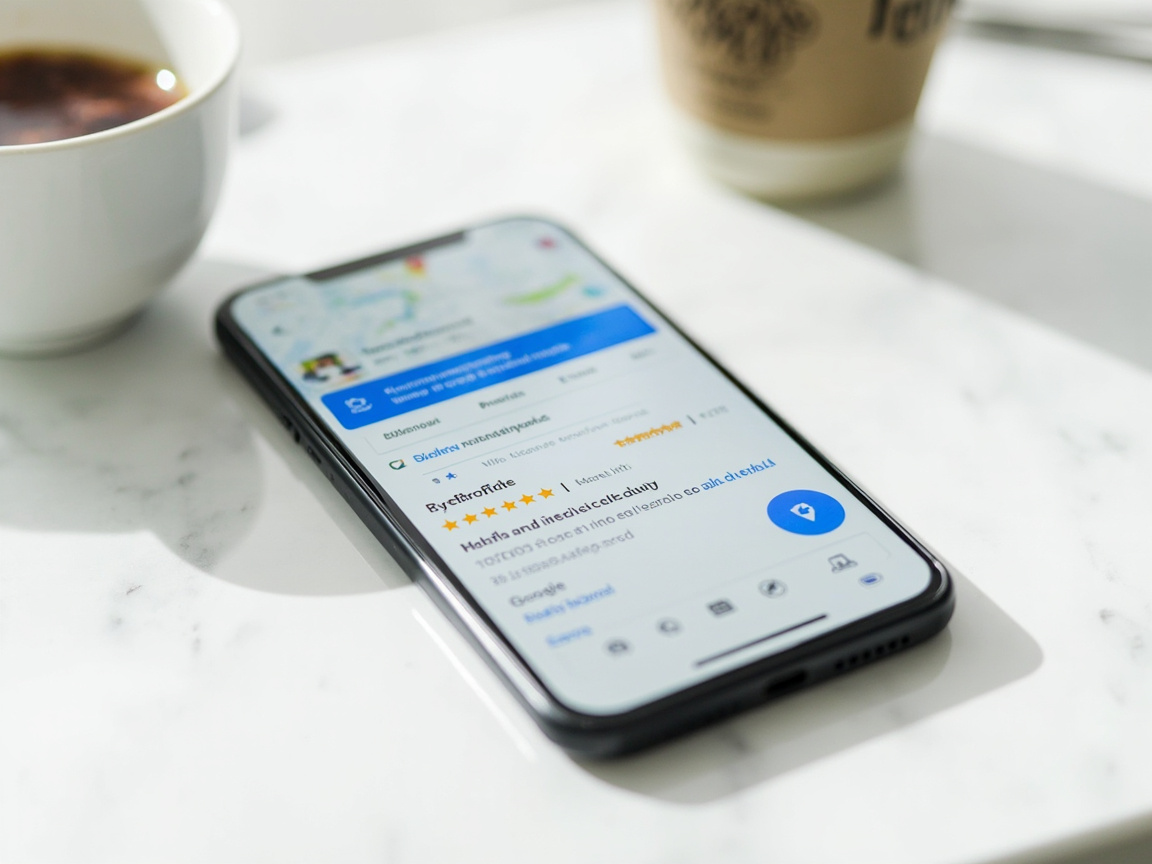
Your Google Business Profile (GBP) is the foundation. It controls what appears in the map pack and in branded search results. Full optimization means selecting the right primary and secondary categories, building out your services list properly, uploading consistent photos, managing Q&A, and maintaining a posting schedule. An incomplete or miscategorized GBP is the single most common reason local businesses aren’t ranking — even when the rest of their marketing is solid.
Local Citation Building and Cleanup
A citation is any mention of your business name, address, and phone number (NAP) online — on directories like Yelp, Apple Maps, Bing Places, and industry-specific platforms. Consistency across all of these is what matters. Conflicting suite numbers, outdated phone numbers, or inconsistently abbreviated street names erode trust with Google and suppress rankings. Citation cleanup is unglamorous work. It also frequently produces noticeable movement faster than more exciting deliverables.
On-Page Local SEO
This covers the technical and content layer of your website. Location-specific title tags, meta descriptions, structured data (schema markup) that tells Google exactly where you operate, and dedicated service-area or location pages — these aren’t optional extras. They’re how your site signals geographic relevance to local queries.
Review Strategy and Management
Google uses review recency, volume, and sentiment as ranking signals for local pack positions. A well-structured local SEO campaign includes a system for consistently generating genuine reviews, monitoring incoming ones, and responding — because engagement on your GBP profile is itself a signal that an active business is there.
Local Content and Link Building
Content targeting local search intent — your services in the context of your city, neighborhood, or region — builds topical and geographic relevance over time. Pair that with links from local sources (chambers of commerce, regional press, industry associations, community sponsorships), and you have the two inputs that compound authority fastest.
—
Which Local SEO Services Actually Move the Needle
Here’s where many agencies go wrong: they fill monthly reports with activity that looks productive but doesn’t actually drive ranking movement. Knowing the difference is how you stay in the driver’s seat.
What actually drives local rankings:
- Google Business Profile signals — profile completeness, update frequency, and user interactions (calls, direction requests, website clicks)
- Review velocity and recency — a consistent stream of fresh, authentic reviews outperforms a large batch of old ones; recency is a real factor
- NAP consistency — often underestimated; citation cleanup is a direct trust signal and can move rankings faster than more complex work
- Quality local backlinks — a link from your local newspaper or regional trade association carries more weight than dozens of generic directory submissions
- Technical website performance — page speed, mobile experience, and Core Web Vitals affect both rankings and what visitors do once they arrive
What often doesn’t move the needle as much as agencies claim:
- High-volume blog content written with no connection to actual local search intent
- Mass submissions to low-quality, generic directories
- Keyword stuffing in GBP business descriptions
- Review practices that violate Google’s terms — this risks profile suspension, not higher rankings

—
What a Real Local SEO Campaign Looks Like Month to Month
One of the most legitimate frustrations business owners have with SEO agencies is not understanding what’s actually being done each month. Here’s a realistic picture of how a structured local SEO engagement typically unfolds.
Month 1 — Audit and Foundation
- Full local SEO audit: GBP, website, citations, competitor landscape
- Google Business Profile optimized from the ground up
- Citation inconsistencies identified; cleanup process begins
- Schema markup implemented on-site
- Rank tracking configured for priority keywords and target locations
Months 2–3 — Building Momentum
- Review generation system launched (request timing, sequences, templates)
- Localized content begins — service-plus-location page combinations targeting real search queries
- First outreach for local links
- GBP posting schedule active and maintained
Months 4–6 — Rankings Begin to Move
- For most local businesses without prior SEO investment, this is when meaningful ranking movement becomes visible
- Link acquisition continues; content expands based on what’s gaining traction
- Competitor gap analysis — where are they ranking that you’re not?
- Reporting reviewed and strategy adjusted based on data
Months 6+ — Compounding Returns
- Established authority makes ranking for additional terms faster and easier
- A growing review profile improves click-through rates in search results
- Expansion to additional service lines or geographic areas becomes viable without starting over
This timeline isn’t universal — highly competitive markets move slower, and businesses with prior technical issues or penalty history take longer. But a properly executed local SEO campaign should show meaningful movement within six months.

—
How to Know If Your Local SEO Services Are Actually Working
Good local SEO comes with clear visibility into what’s happening. You shouldn’t have to guess whether your investment is doing anything.
Your monthly reporting should include, at minimum:
- Local pack rankings tracked for your priority keywords and locations
- GBP insights — call clicks, direction requests, website clicks (your GBP dashboard surfaces these natively)
- Organic traffic from local queries via Google Search Console
- Review count and average rating, compared month over month
- Citation health — are your listings live, accurate, and consistent?
If you’re not seeing regular reporting on these specific metrics, that’s worth raising directly. The data exists and is accessible. A provider who can’t surface it — or won’t — is a red flag.
—
The Bottom Line
Local SEO services are one of the highest-ROI marketing investments available to service-based businesses and local brick-and-mortars — when the work is focused on the right things. The businesses that consistently win in local search aren’t always spending the most. They’re working with teams who understand what actually drives rankings, set realistic expectations, and keep the work grounded in fundamentals that compound over time.
If you’re evaluating local SEO services for your business, the right starting point is a clear picture of where you stand today. A thorough audit surfaces the gaps and identifies where the fastest gains are. That’s exactly how we approach it at ARC Creative Co — no mystery deliverables, no vanity metrics.
Ready to find out what’s actually holding your local rankings back? [Let’s talk.]