
Med spas sit in an unusual spot in the local business world: part healthcare provider, part beauty brand, part hospitality experience. That mix is exactly what makes marketing for med spas trickier than marketing for a typical local business. You're asking people to trust you with injectables, lasers, and other treatments that require real clinical care, while also competing on ambiance, price, and social proof the way a salon or boutique fitness studio would. This guide breaks down what's actually involved in marketing a medical spa — from the services worth highlighting in your campaigns to the day-to-day activities that keep new and returning clients on the books.
Why Med Spa Marketing Works Differently Than Other Local Businesses
Most local service marketing (think plumbers or dentists) is built around solving an urgent, obvious problem. Med spa marketing is built around a want, not a need — which means the sales cycle is longer and more emotional. A prospective client isn't just comparing prices; they're deciding whether they trust a specific provider to work on their face or body.
That changes the marketing priorities. Visual proof (photos, video, before-and-afters where appropriate), reviews, and provider credentials carry more weight than they would for, say, an HVAC company. At the same time, med spas still live and die by local search — someone typing "Botox near me" or "laser hair removal [city]" into Google is a high-intent lead, and whoever shows up first, with the most trustworthy presence, usually wins the booking.
What Are the Most Popular Medical Spa Services?
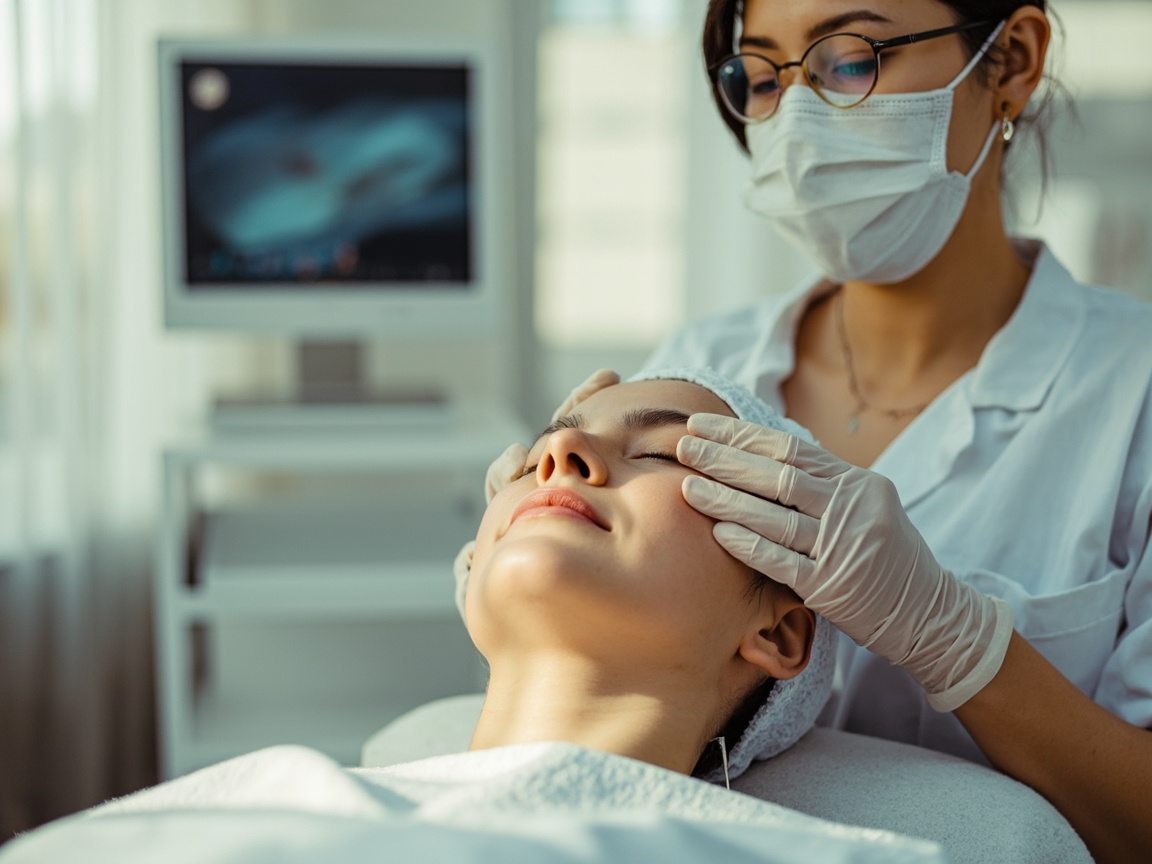
The most popular medical spa services include neuromodulator injections like Botox, dermal fillers, laser hair removal, chemical peels, microneedling, non-invasive body contouring, and medical-grade facials. These treatments are popular because they deliver visible results with minimal downtime, performed by licensed estheticians or medical professionals under a med spa's supervision.
From a marketing standpoint, this list matters because each service attracts a different kind of searcher with a different intent:
- Injectables (Botox, fillers): Often searched by name, with high price sensitivity and strong brand/provider trust requirements.
- Laser hair removal: Frequently compared on package pricing and session counts.
- Chemical peels and microneedling: Often researched heavily before booking, with longer consideration windows.
- Body contouring: High-value, high-consideration — clients want to see real results and understand the process.
- Facials and maintenance treatments: Lower barrier to entry, often the "first visit" service that turns a new client into a repeat one.
A strong med spa marketing plan doesn't treat all of these the same. Each service deserves its own landing page, its own ad messaging, and its own content — because the person searching for one isn't necessarily searching for the others.
What Are 5 Marketing Activities Every Med Spa Should Run?
Five core marketing activities for med spas are: optimizing local SEO and Google Business Profile, running targeted Google Ads for high-intent treatment searches, actively managing online reviews and reputation, publishing consistent content and social media, and running retention marketing like email and loyalty offers to bring clients back.
Here's what each one actually looks like in practice.
1. Local SEO and a Fully Optimized Google Business Profile
Local SEO is the foundation everything else sits on. For a med spa, that means a complete, accurate Google Business Profile — correct service categories, updated hours, a full treatment menu, and current photos of the space and team. It also means a website structured so that each major service (injectables, laser, body contouring, facials) has its own page targeting the way people actually search, plus consistent business information across directories so Google trusts your location data.

2. Paid Search (Google Ads) for High-Intent Treatments
Organic rankings take time to build. Google Ads lets a med spa show up immediately for searches like "dermal fillers [city]" or "med spa consultation near me" — the kind of queries where someone is actively ready to book. The key is campaign structure: separate ad groups and landing pages by treatment, clear calls to action, and tight geographic targeting so budget isn't wasted on searchers outside your service area. This is also where many med spas pair search with paid media for salons, spas, and local studios to capture demand on social platforms as well as in search results.
3. Reputation Management: Reviews and Testimonials
Reviews function as both a trust signal for humans and a ranking signal for local search. A consistent system for requesting reviews after appointments — and responding to every review, positive or negative — does more for a med spa's credibility than almost any other single activity. Testimonials and before-and-after content (with proper client consent) reinforce that trust on the website and in ads.

4. Content and Social Media Marketing
Social media is where a lot of med spas build brand awareness and show personality: treatment explainers, provider introductions, behind-the-scenes clips, and client education content. Blog content on the website can do double duty — answering common questions ("How long do fillers last?" "What's the difference between a chemical peel and microneedling?") that also helps with search visibility over time.
5. Retention Marketing: Email, Loyalty, and Events
New client acquisition is expensive compared to keeping an existing client coming back. Email sequences, loyalty or membership programs, seasonal promotions, and occasional in-spa events or workshops all give past clients a reason to rebook rather than drift to a competitor. Partnering with complementary local businesses (a med spa cross-promoting with a boutique gym or salon, for example) can extend reach without additional ad spend.
Localized Marketing: Why "Near Me" Searches Make a Difference
A huge share of med spa search traffic includes a location — "near me," a city name, or a neighborhood. That means the same national-level marketing playbook has to be adapted to the specific market a spa actually operates in, because competition, search behavior, and even service pricing norms vary widely by region.
Marketing for Med Spas Near California
California's med spa market, especially in dense metro areas, tends to be competitive and search-savvy — clients research heavily before booking. ARC Creative Co works with service businesses across the Bay Area, including San Jose, Campbell, Santa Clara, Sunnyvale, Mountain View, Palo Alto, Cupertino, Los Gatos, Milpitas, and Saratoga. For med spas in and around these markets, that means local SEO and Google Ads strategies built around genuinely local search behavior rather than generic national templates.
Marketing for Med Spas in Other Markets (Including Texas)
The core principles of med spa marketing — strong local SEO, well-structured paid search, review generation, and retention marketing — apply whether a spa is in California, Texas, or anywhere else. What changes is the local competitive landscape and search volume in that specific market. If you're a med spa owner outside our current service areas researching this topic, the strategies in this guide still apply; just know that the right agency for you should have direct, demonstrated experience in your specific city or region, not just a generic playbook.
What to Look for in Med Spa Marketing Reviews
When you're researching agencies, reviews of the marketing services themselves matter almost as much as reviews of the med spa services you offer clients. Look past star ratings and read for specifics: Did the agency communicate clearly? Did they understand treatments well enough to write accurate content and ads? Did reported results line up with what the client actually experienced?
It's also worth checking whether an agency has relevant vertical experience. Browse an agency's industries we serve page to see whether they've worked with healthcare-adjacent or beauty and wellness businesses before — a team that understands regulated, high-trust services will approach your campaigns differently than one that's only ever marketed restaurants or retail.
Marketing Compliance and Trust for Medical Spas
Because med spas offer treatments that involve licensed medical oversight, marketing claims need to stay accurate and appropriately cautious. Avoid promising specific outcomes, be careful with before-and-after imagery (always with documented client consent), and make sure any pricing or promotional offers are something the practice can actually honor consistently. None of this should slow down your marketing — it just means working with people who understand the difference between confident marketing and overpromising.
Building Your Med Spa Marketing Plan: Where to Start
If you're building a marketing plan from scratch, start with the foundation before layering on extras: a clean, fast website with service-specific pages, a fully optimized Google Business Profile, and a simple system for collecting reviews after every appointment. From there, paid search can start generating booked consultations quickly, while content and retention marketing build long-term value.
This is similar to how we approach Google Ads for dentists and medical practices — regulated, trust-driven services need campaigns structured around patient intent, not just generic keyword volume. The same thinking applies directly to med spas.
The Bottom Line
Marketing for med spas isn't about picking one channel and hoping it works — it's about layering local SEO, paid search, reputation management, content, and retention into a system where each piece supports the others. Start with the fundamentals, be honest and specific in how you market regulated treatments, and build from there.
If you're a med spa owner in the Bay Area looking to put a plan like this in place, ARC Creative Co would be glad to talk through what that could look like for your practice.